.
.
Building Momentum from Day One: How Sumter School District Navigated OpenSciEd's Pedagogical Shift with Strategic Leadership and Activate Learning

QUICK FACTS
Sumter School District: 7 middle schools | 14,000 K-12 students | 30 science teachers
School Spotlight: R.E. Davis College Preparatory Academy (Title 1) | 325 students | 2 science teachers
The Challenge: After eight years of stagnant science assessment results, district leaders determined that improvement required a pedagogical shift—not just new materials. Teachers needed support transitioning from traditional instruction to three-dimensional science aligned to South Carolina’s 2021 standards.
The Solution: A strategic, phased rollout of the Activate Learning Certified Version of OpenSciEd curriculum. Activate Learning provided scalable implementation infrastructure, including high-quality science kits, a streamlined teacher digital platform, printed teacher editions, and ongoing support, reducing friction so leaders and teachers could focus on instructional change and fidelity.
The Results: Pilot classrooms demonstrated immediate benchmark gains and momentum that drove district-wide expansion leading to observable classroom transformation through student-driven inquiry and teacher collaboration. R.E. Davis exemplifies what's possible when strategic leadership, teacher trust, and comprehensive support align.
Breaking from the Past to Move Student Thinking Forward: Implementing OpenSciEd and Embracing Change
For more than 8 years, leaders in South Carolina’s Sumter School District watched as science assessment outcomes remained largely stagnant. The issue wasn’t a lack of effort; it was the growing realization that traditional instructional approaches were no longer producing the depth of learning students needed.
“We changed the state standards to the 2014 standards,” recalls Richard Phillips, Sumter’s District Science Coordinator. “Over time, we changed curriculum resources. Teachers changed. Students changed. Everything changed. The one thing that had never changed over those years was how we were teaching science.” District leaders realized that meaningful improvement would require a fundamental shift in pedagogy.
When district leaders made the decision to pilot OpenSciEd in 2023, they knew that adopting OpenSciEd meant rethinking how science is taught, how teachers are supported, and how students make sense of the world. It was also clear this transformation wouldn’t happen overnight and that they would require implementation support.
This vision for change became the district’s mantra. “Our call to action for implementing OpenSciEd was breaking from the past to move our thinking forward,” says Phillips.
Within this district-wide effort, R.E. Davis College Preparatory Academy serves as a powerful example at the school level. Its experience shows what’s possible when leadership, teacher collaboration, and implementation support align, even as the broader system continues to evolve.
This case study deep dive reflects real leadership decisions, real constraints, and a phased rollout designed to build momentum strategically rather than force uniform adoption. We explore Sumter's OpenSciEd journey and insights with district leadership (Richard Phillips), R.E. Davis' principal (Maria Dantzler), and the two middle school teachers transforming their classrooms with three-dimensional learning every day (Keonia Davis and Michelle Sutton). The focus isn’t on quick wins, but on how districts can move strategically from pilot to broader implementation while engaging all stakeholders throughout the process.
Together, Sumter’s district strategy and R.E. Davis’s classroom experience offer practical insights for leaders considering OpenSciEd: what to plan for, where support is needed, and how thoughtful implementation with Activate Learning's comprehensive support can create conditions for sustainable change.
The Vulnerability That Can Drive, or Derail, OpenSciEd Implementation
"There was a lot of angst and trepidation during the pilot. But within two weeks, all of the teachers were sending me photos and videos from their classrooms saying, 'I cannot believe the transformation I'm seeing in my students!'"
— Richard Phillips, District Science Coordinator
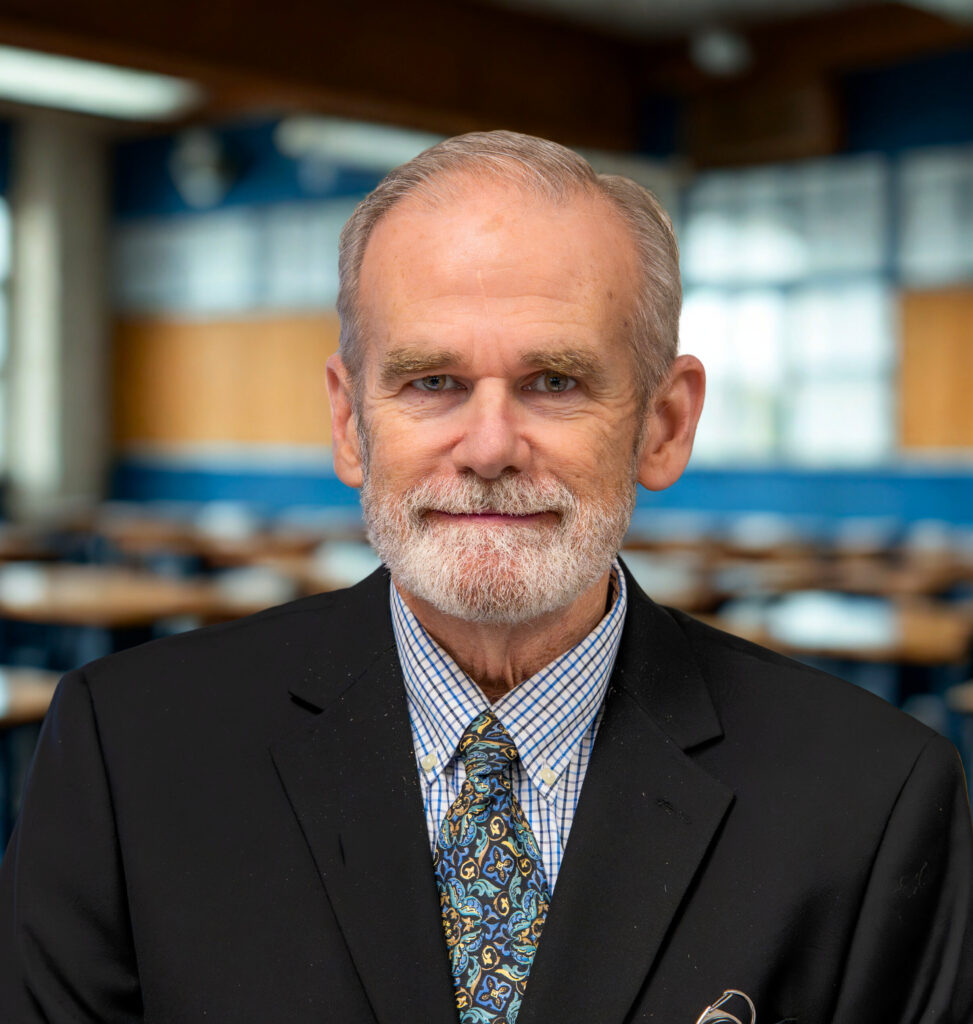
Richard Phillips
(Sumter School District, Science Coordinator)
South Carolina never adopted the Next Generation Science Standards (NGSS). Instead, the state developed its own NGSS-informed standards in 2014, then underwent a multi-year revision process to create the South Carolina College- and Career-Ready (SC CCR) Science Standards, adopted in 2021. These new standards represented a significant shift toward three-dimensional, performance-based learning that integrates science practices, core ideas, and crosscutting concepts instead of isolated content lists.
When Sumter School District conducted six standards workshops to prepare teachers for this transition, the honest response from teachers revealed the full magnitude of the challenge they faced. During the sixth and final workshop, teachers told Mr. Phillips, “We understand the standards, but we don't know how to teach them.”
Mr. Phillips recognized that teachers needed more than district-led workshops; they needed a high-quality curriculum that bundled these three-dimensional standards into coherent storylines that could guide this profound pedagogical shift and ongoing support.
After researching solutions, Richard chose Activate Learning’s Certified Version of OpenSciEd for its phenomenon-based approach, coherent storylines that bundle standards into student-driven investigations, and implementation support.
“To change, we especially have to be willing to change our instructional practices. That's not always easy to ask educators to do. That requires educators to be very vulnerable — to assess the strategies that they've used in the past that maybe could be improved or maybe weren't as effective as they needed to be. The OpenSciEd curriculum provides a huge amount of support in that regard.”– Richard Phillips
This vulnerability—the fear and anxiety that accompany meaningful pedagogical change—is precisely what research shows derails OpenSciEd implementation nationwide. A 2024 study by Digital Promise, in partnership with OpenSciEd and Carnegie (Practitioner-reported Needs for Enacting, Implementing, and Adopting OpenSciEd Curriculum Materials), surveyed 155 teachers across 34 states and identified six critical barriers to successful adoption. Chief among them were “meaningful instructional shifts require comprehensive support” and “teacher capacity building.” The research warns that “unilateral district adoption can inhibit teacher buy-in,” leaving teachers overwhelmed and implementation stalled.
Mr. Phillips recognized these exact challenges in his district. As with any significant instructional shift, early resistance and uncertainty from teachers was part of Sumter’s implementation journey. OpenSciEd asks teachers to think and teach differently.
The question that loomed was simple but consequential: How do you navigate this shift without overwhelming teachers or losing momentum before the work even begins? “Change is always difficult,” Mr. Phillips reflects. “Teachers expressed concerns. But we involved them in the process from day one.” He worked with each school Principal in advance to support teachers and ensure OpenSciEd would be implemented with fidelity.
That decision (to build teacher buy-in rather than mandate compliance) became the foundation of Sumter’s multi-year OpenSciEd implementation journey. What began as a modest opt-in pilot in Fall 2023 has evolved into district-wide adoption at middle schools, with compelling early results and palpable momentum.
Implementation Strategy: Opt-In Pilots, Evidence Gathering, and Momentum Building
Sumter School District OpenSciEd Implementation Timeline, from Pilot to Progress
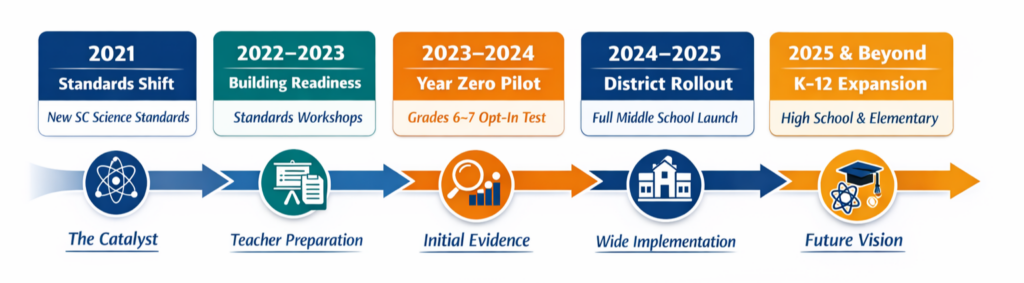
Sumter School District approached OpenSciEd implementation deliberately, beginning with a Year Zero (2023–2024) opt-in pilot rather than a full, immediate rollout, asking middle school principals and teachers to participate voluntarily. Two schools, spanning grades six and seven, opted-in.
Sumter’s strategic “soft launch” was designed to build evidence and reflected practical realities: limited leadership bandwidth, the need to build trust with teachers, and the importance of supporting early adopters well before expanding district wide.
The pilot benchmark results were compelling. Grade 6 (South Carolina's state-tested subject for middle school science) showed a 33% increase in mastery in the first quarter, followed by sustained gains each subsequent quarter. These early results served as signals (indicators that, when OpenSciEd was implemented with fidelity, students were engaging differently with science content and practices).
Mr. Phillips recalls how initial trepidation from pilot teachers segued into genuine enthusiasm as they witnessed their classrooms change.
The quarterly benchmark data, combined with observable classroom transformation (including student engagement, collaboration, and authentic problem-solving) convinced district leadership to approve full rollout for Fall 2024.
Activate Learning’s complete implementation support enabled Sumter School District to scale adoption of OpenSciEd with fidelity and sustained momentum from the outset.
Transformation on the Front Lines: Principal Leadership at R.E. Davis College Preparatory Academy
"As a building leader, you have to know when to engage, and when to step back. You allow your teachers to explore what's possible, collaborate, and have the time they need to work through the materials together.”
-- Principal Maria Dantzler

Maria Dantzler (Principal, R.E. Davis Preparatory Academy)
Within Sumter School District’s broader OpenSciEd implementation, R.E. Davis College Preparatory Academy stands out as an example of what becomes possible when conditions align at the school level.
Principal Maria Dantzler arrived at R.E. Davis in 2023, the same year OpenSciEd was set to roll out in Sumter, creating a rare moment of alignment between instructional change and leadership vision. Rather than layering a new curriculum on top of existing structures, the school was able to establish clear expectations around instructional practice, incorporating the school’s mission and culture of excellence, from the start.
One of Principal Dantzler’s primary goals was to give students access to the same resources that students have anywhere in the world. “We want to build productive citizens,” says Principal Dantzler. “We want students to leave our school with world-class skills!”
Her initial reaction to learning that R.E. Davis would be adopting OpenSciEd is undoubtedly familiar to many educators: “Not another program!” Implementation fatigue is real, especially at Title I schools navigating constant change and budgetary constrictions. But, as she soon learned from her science teachers and Mr. Phillips, OpenSciEd is not just another program. It represented a fundamentally different approach to teaching and learning science.
Principal Dantzler made a strategic choice to work in partnership with district leaders to empower her teachers to take ownership of their implementation and provide them with the necessary time for professional learning and access to high-quality resources. She calls this "rigor with support."
“I began to see that those two teachers that I have in middle school science fell in love with OpenSciEd. They began to see how it could impact the students and the learning, and they began to communicate that to me. So, I trusted them and gave them autonomy to say, ‘Ok, let’s do it!’” — Principal Dantzler
That trust translated into concrete support. Principal Dantzler often released teachers from staff meetings several times per year for OpenSciEd material preparation, collaborative planning, and professional learning. She invited herself into classrooms not only to evaluate, but to learn alongside teachers. And critically, she partnered closely with Richard Phillips to ensure teachers experienced consistent, aligned support as they navigated the instructional shift.
Principal Dantzler stresses the importance of partnering closely with district leaders to create clarity and coherence during implementation. As district science coordinator, Richard Phillips supported R.E. Davis by providing training, answering questions as they arose, and helping clarify the instructional intent behind OpenSciEd’s approach. This allowed Principal Dantzler to focus on building a collaborative school culture, while district-level curriculum expertise and guidance remained consistently accessible to teachers.
At R.E. Davis, leadership trust created the conditions for teachers to confidently engage in the instructional shift. What happened next unfolded inside classrooms, where teachers translated that trust into new practices and new student experiences.
Early Indicators from the Classroom
At R.E. Davis College Preparatory Academy, early assessment results suggest the instructional shift is moving in the right direction.
6th Grade Science Proficiency
2023: 19.5%
2025: 40.5%
These results represent early momentum, not an endpoint—a signal of what's possible when teachers are supported through coherent instruction and given time to implement with fidelity.
The Teachers Navigating the Pedagogical Shift: from Managing Lessons to Facilitating Student Sensemaking
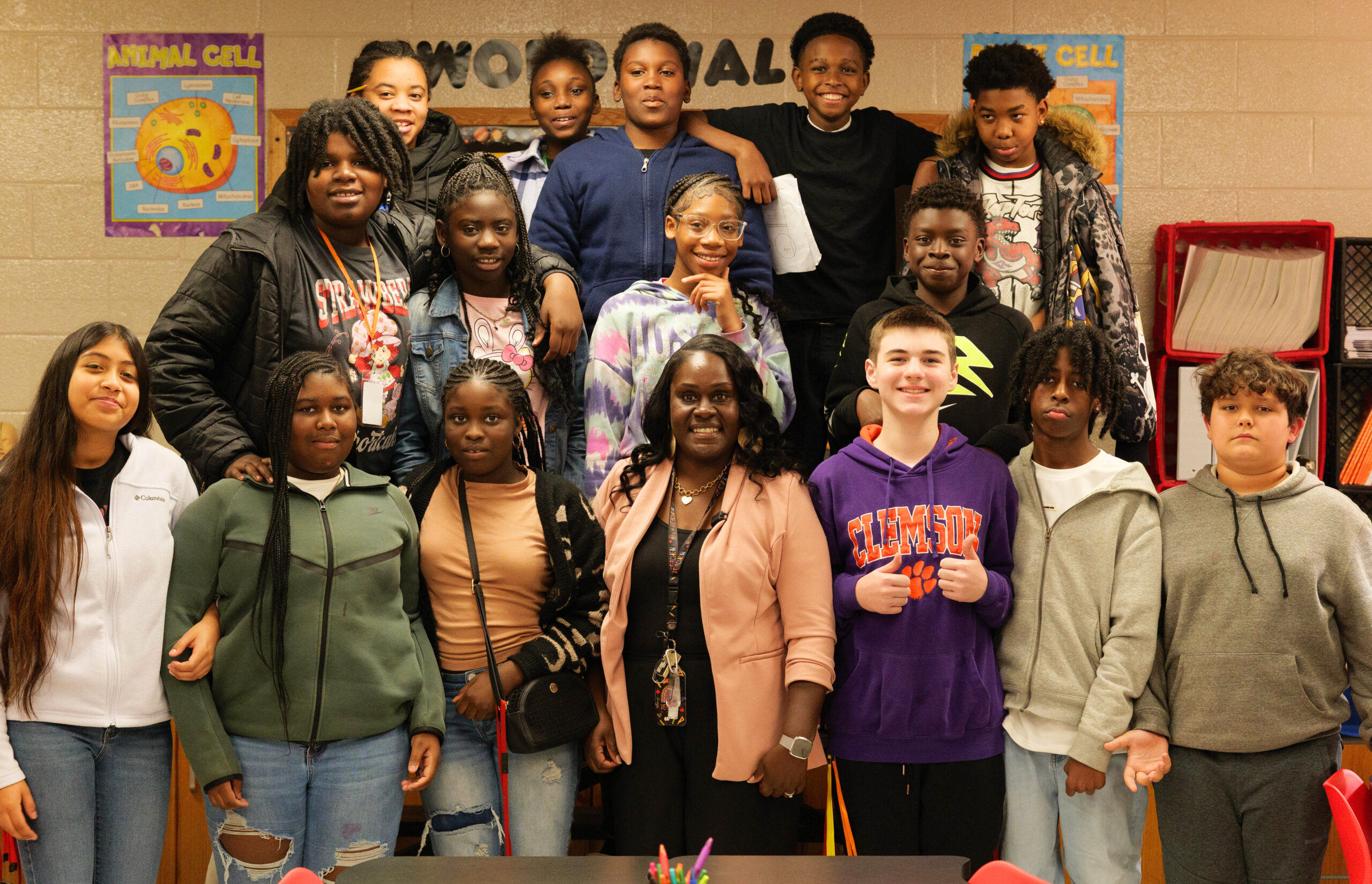








For the two science teachers at R.E. Davis College Preparatory Academy, Keonia Davis (grades 6–7) and Michelle Sutton (grade 8), implementing OpenSciEd required required unlearning long-standing instructional habits. Both teachers described the hardest shift as stepping out of the role of information-giver and allowing students to figure things out through investigation.
“That was a big change for me,” said Ms. Davis. “Letting students explore and connect ideas on their own and trusting that process.” This is precisely the barrier Digital Promise research identifies as most challenging: shifting classroom culture from producing correct answers to collective sensemaking around phenomena.
The Activate Learning science kits arrived fully prepared and clearly organized, removing one of the biggest early stressors teachers described: materials management. “Everything we need is already there,” Ms. Sutton explained. “The kits tell you what’s included, how it’s used, and where to find support videos. It's wonderful.”
The printed Activate Learning Teacher Editions played an equally important role. Teachers described them as a stabilizing force during instruction, especially when confidence wavered early on. “The teacher manual gives you structure,” Ms. Davis noted. “Where you might be unsure of what you should implement at that time, the teaching manual is a good support document to get you through the lesson.” Mr. Phillips calls the printed Teacher Editions "a game-changer."
Over time, teachers began to observe qualitative shifts in their classrooms:
- Students began talking like scientists, using sentence starters and norms without prompting.
- Lessons stopped feeling isolated; students regularly referenced prior investigations and built ideas across units.
- Engagement deepened as storylines made science feel like problem-solving rather than memorization.
- Students took their science learning home, conducting experiments independently and discussing investigations with family and peers outside class.
Principal Maria Dantzler protected time for planning and collaboration, while district science coordinator Richard Phillips remained highly accessible; providing resources, answering questions, and reinforcing instructional fidelity. That combination of leadership trust, peer collaboration, and ready-to-use materials from Activate Learning allowed teachers to persist through early discomfort and stay the course.
"Sixth graders need structure to learn how to think and speak like scientists. OpenSciEd gives them consistent routines they use again and again, in different ways. That repetition helps students feel safe sharing ideas, testing claims, and revising their thinking. Over time, they stop waiting for answers and start leading investigations on their own. OpenSciEd keeps them engaged while giving them space to explore and express themselves."
-- Keonia Davis (6-7th Grade Science Teacher)
"OpenSciEd does a good job of keeping the eighth graders engaged because it's hands-on. In the lesson on non-contact forces, some students had difficulty building their electromagnets because they missed small details. I then made the magnet myself and showed them how I did it. Once they saw how details mattered, they tried again, adjusted, and figured it out themselves. They thought it was so cool. That kind of hands-on engagement is built into Openscied."
-- Michelle Sutton (8th Grade Science Teacher)
8 Strategic Takeaways for District Leaders: What Sumter’s OpenSciEd Journey Reveals About Implementation
Sumter School District’s experience and early implementation momentum reinforces what research and practice consistently show: successful OpenSciEd implementation is less about adoption and more about creating conditions and systems of support that will lay the foundation for sustainable success. For district leaders and educators considering or beginning OpenSciEd implementation, there are several lessons and strategies to consider:
- Treat OpenSciEd as an instructional shift, not a curriculum change. OpenSciEd requires teachers to move from delivering information to facilitating student sensemaking. That shift asks educators to reconsider long-standing instructional habits, classroom routines, and assessment practices. Districts that acknowledge this up front (and plan accordingly) are better positioned to build momentum and trust.
Implementation Insight: Expect change in pedagogy, not just materials. Plan for it intentionally.
.
- Build momentum through pilots, not mandates. Sumter’s opt-in pilot model allowed early adopters to experiment, discover challenges, and generate internal evidence that informed broader rollout decisions. This approach reduced resistance, honored teacher voice, and created credibility with school leaders.
Implementation Insight: Pilots are not about proving perfection—they’re about learning what support systems are actually needed.
- Reduce cognitive and logistical load so teachers can focus on teaching. Teachers consistently described how Activate Learning's organized materials, clear structure, and ready-to-use kits reduced stress and preparation time, making it easier to focus on pedagogy rather than procurement or planning chaos.
Implementation Insight: When friction is removed, fidelity becomes more achievable.
- Leadership matters, especially at the school level. R.E. Davis College Preparatory Academy illustrates the impact of principal leadership during implementation. Trusting teachers, providing autonomy with clear expectations, and protecting time for collaboration helped create conditions where OpenSciEd could take hold.
Implementation Insight: Principals are not optional participants in curriculum implementation—they are critical enablers.
- Fidelity drives results, but fidelity takes support. Teachers emphasized that OpenSciEd works best when implemented fully using routines, investigations, and storylines as designed. Mr. Phillips noted that partial adoption led to frustration and uneven outcomes for some teachers, while full implementation supported stronger engagement and learning.
Implementation Insight: Districts should plan for how fidelity will be supported, not assumed.
- Professional learning is essential, and timing matters. Both district and school leaders underscored that teachers need time, space, and support to adapt to new instructional models. Early learning opportunities helped teachers understand expectations, but sustained growth requires continued investment.
Implementation Insight: Training should not be treated as a one-time event, but as part of an implementation strategy.
- Expect early signals, not instant transformation. Sumter’s experience aligns with national research: early implementation produces directional signals, not final outcomes. Meaningful, system-level change takes time, consistency, and leadership continuity.
Implementation Insight: Early data should inform decisions, not define success.
- Implementation is a journey, plan for what comes next. Sumter’s long-term vision extends beyond middle school toward K–12 OpenSciEd adoption. That forward-looking mindset, paired with phased implementation, positions districts to scale thoughtfully rather than reactively.
Implementation Insight: The most successful districts plan for Year Two and Year Three while still in Year One.
Building Your District's OpenSciEd Implementation
Sumter School District's transformative journey demonstrates what becomes possible when strategic leadership meets comprehensive implementation support. From opt-in pilots through district-wide expansion, Activate Learning provided the infrastructure that allowed Richard Phillips to focus on teacher buy-in and Principal Dantzler to build collaborative culture.
The Results: Teachers could focus on the pedagogical shift rather than materials and logistics. Leaders could build teacher buy-in rather than manage overwhelm. And early momentum created foundation for sustained, multi-year growth.
The Activate Learning Certified Version of OpenSciEd includes:
- Complete science kits (organized, quality-tested materials for every unit)
- Streamlined digital platform (for educators and students)
- Printed teacher editions (classroom-ready reference materials)
- Personalized professional learning (initial training and ongoing support)
- Assessment tools and adaptive resources
- Responsive partnership (consultative account management)
Ready to build your district's implementation story? Connect with Activate Learning to explore how we can support your district through every stage of the OpenSciEd journey. 